Restaurants account for millions of jobs worldwide, making the hospitality sector one of the industries most directly affected by government policy decisions. Changes to labor laws, tax regulations, and economic policies can quickly influence operating costs, staffing decisions, and long-term profitability. As a result, many operators closely monitor legislative developments and incorporate financial planning for restaurant owners into broader business strategies designed to manage uncertainty and maintain stability.
Political decisions often shape the business environment in which restaurants operate. While policymakers may pursue objectives such as improving worker earnings, increasing tax revenues, or controlling inflation, restaurant owners must evaluate how these changes affect daily operations. The relationship between public policy and restaurant management is frequently debated because measures that benefit one group may create new challenges for another.

The Connection Between Politics and Hospitality Operations
Hospitality businesses operate within a highly regulated environment. Governments establish employment standards, food safety requirements, payroll obligations, taxation frameworks, and licensing rules. Every adjustment to these regulations can influence operating expenses.
The International Monetary Fund (IMF) has noted that taxation policies can influence business investment decisions across multiple sectors. Discussions surrounding the finance and politics relationship often highlight how government decisions affect business planning, investment confidence, and economic activity. Restaurant owners therefore monitor legislative proposals carefully to understand how future tax changes may affect cash reserves and growth opportunities.
This reality explains why restaurant owners pay close attention to election platforms, legislative proposals, and economic policy announcements. Decisions made at national, provincial, state, or local levels can have immediate consequences for payroll, pricing, and investment plans.
Minimum Wage Debates and Their Impact
Few policy issues generate as much discussion within the hospitality sector as minimum wage legislation. Advocates argue that higher wages improve living standards, reduce income inequality, and help workers keep pace with rising costs. Critics often point to the financial pressures that increased labor expenses place on small businesses.
The debate reflects two legitimate perspectives. Workers benefit from stronger earning power, while restaurant operators must balance labor costs against customer demand and competitive pricing.
Data from the Organisation for Economic Co-operation and Development (OECD) indicates that wage growth can contribute to improved household spending capacity. Increased consumer spending may support restaurant demand in some markets.
At the same time, experts note that labor cost increases often require operational adjustments. Restaurant owners may revise staffing schedules, introduce automation technologies, streamline menus, or increase menu prices to offset higher payroll expenses.
Independent restaurants frequently face the greatest challenges because they generally have fewer financial resources than large chains. Unlike major brands with economies of scale, smaller establishments may have limited flexibility when absorbing additional labor costs.
Tax Legislation and Restaurant Profitability
Tax policy is another area closely watched by restaurant operators. Corporate taxes, payroll taxes, sales taxes, and property taxes can all influence profitability.
Supporters of business tax relief often argue that lower tax burdens encourage investment, hiring, and expansion. Others contend that tax revenues are necessary to fund public services, infrastructure, and workforce development programs that support economic growth.
The hospitality industry sits at the center of this discussion because restaurants depend heavily on local economic conditions. When tax obligations increase, operators may need to allocate more resources toward compliance and government payments. When tax burdens decrease, businesses may have greater flexibility to invest in equipment, renovations, or employee development.
The International Monetary Fund (IMF) has noted that taxation policies can influence business investment decisions across multiple sectors. Restaurant owners therefore monitor legislative proposals carefully to understand how future tax changes may affect cash reserves and growth opportunities.
Labor Shortages Create Additional Pressure
Labor shortages have become a major concern across the hospitality industry in recent years. Many restaurants have reported difficulties recruiting and retaining employees, particularly for front-of-house and kitchen positions.
Data from the U.S. Bureau of Labor Statistics and similar labor agencies in other countries has highlighted ongoing workforce challenges within accommodation and food service industries. These shortages can increase competition for employees and place upward pressure on wages.
Supporters of higher compensation argue that better pay attracts talent and improves retention. Others point out that rising labor costs may be difficult for smaller restaurants already dealing with inflation and supply chain disruptions.
The reality often lies somewhere between these positions. Restaurant owners must remain competitive in the labor market while maintaining sustainable operating costs. Achieving this balance requires careful budgeting and long-term workforce planning.
Inflation and Rising Operating Costs
Inflation has added another layer of complexity to restaurant management. Food ingredients, utilities, rent, insurance, transportation, and labor expenses have all experienced price increases in many regions.
The World Bank and various central banks have documented inflationary pressures affecting businesses globally. For restaurants, rising costs can create difficult decisions regarding menu pricing and operational efficiency.
Some operators choose to adjust menu prices gradually. Others focus on portion control, supplier negotiations, inventory management, or waste reduction initiatives. Each strategy carries advantages and trade-offs.
Customers may accept moderate price increases when inflation affects the broader economy. However, excessive increases can reduce demand and encourage consumers to dine out less frequently. Restaurant owners must therefore balance profitability with customer expectations.
The Financial Reality of Independent Restaurants
Independent restaurants often operate with relatively thin profit margins compared to businesses in other industries. Research published by the Restaurant Finance Monitor and industry analysts suggests that many restaurants face ongoing pressure from fluctuating costs and changing consumer behavior.
This environment leaves little room for unexpected financial shocks. A combination of higher wages, increased taxes, labor shortages, and inflation can significantly affect operating performance.
Restaurant owners frequently manage multiple financial priorities simultaneously:
- Payroll obligations and employee benefits
- Food and beverage inventory costs
- Rent or mortgage payments
- Equipment maintenance and replacement
- Licensing, insurance, and regulatory compliance
- Marketing and customer acquisition expenses
- Debt servicing and loan repayments
Because these expenses can fluctuate, business owners often evaluate legislative developments through the lens of financial sustainability rather than political ideology.
Planning for Growth and Uncertainty
Financial management has become increasingly important as restaurant operators navigate economic uncertainty. Strategic planning often extends beyond bookkeeping and tax preparation.
Many owners develop forecasting models that account for different economic scenarios. These projections may estimate the effects of wage increases, tax changes, shifts in consumer spending, or supply cost fluctuations.
Cash flow management remains one of the most important priorities. Maintaining adequate reserves can help businesses navigate seasonal slowdowns, unexpected repairs, economic downturns, or regulatory changes.
Expansion decisions also require careful evaluation. Opening a second location, renovating an existing property, or investing in new equipment often depends on future expectations regarding labor costs, taxation, and market conditions.
Contingency planning plays a critical role as well. Business advisors frequently encourage restaurant owners to prepare for multiple scenarios rather than relying on a single economic forecast. This approach can improve resilience when external conditions change unexpectedly.
Conclusion
Wage policies, tax legislation, labor market conditions, and inflation all play significant roles in shaping the restaurant industry. Debates surrounding these issues often involve competing priorities, including worker welfare, economic growth, public revenue, and business sustainability.
Restaurant owners closely follow these discussions because government decisions can directly affect operating costs, staffing strategies, and long-term profitability. While opinions differ regarding the best policy approaches, there is broad agreement that financial preparedness remains essential.
Effective business planning, cash flow oversight, risk management, and strategic decision-making help restaurants navigate uncertainty and adapt to changing economic conditions. As the hospitality sector continues to evolve, thoughtful financial management will remain a key component of long-term success.
 Harris campaign chair Jen O’Malley Dillon released a memo last Sunday stating that the overall total raised by the
  The memo stated that the fundraising


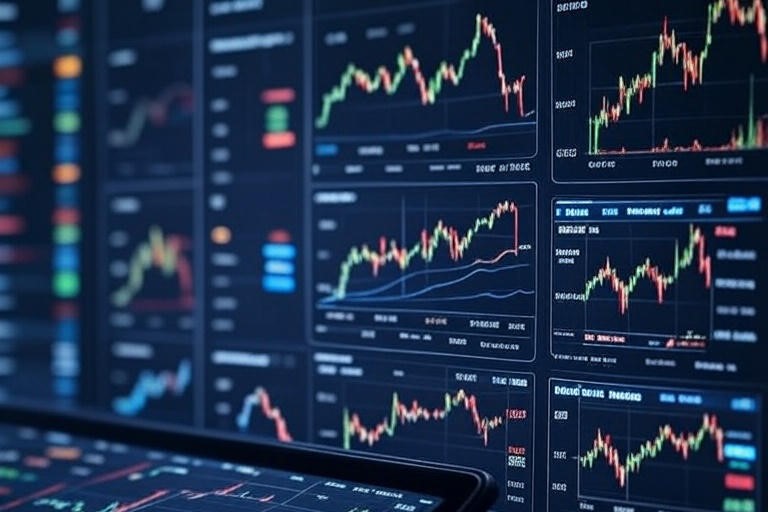 Cryptocurrency markets pulse with opportunity, but regulations are tightening. Governments worldwide are stepping in to oversee digital assets, with agencies like the SEC in the United States and similar bodies elsewhere setting rules to protect investors and ensure market stability. These changes impact crypto arbitrage, a strategy where traders profit from price differences across exchanges. As regulations evolve, so do the ways traders navigate this dynamic landscape. Understanding the interplay between policy and profit is key for traders and advocates pushing for fair, transparent markets.
 Political events play a significant role in shaping global financial markets. Political decisions can have immediate and long-term economic effects, from elections to policy changes. This dynamic relationship between politics and finance is more evident than ever.
 Taragon Opulon AI has fascinating and alarming potential influence on politics. On the one hand, this technology might enable people to make better decisions by means of more informed knowledge, therefore empowering them and strengthening government. Conversely, there are worries about possible abuse like public opinion manipulation or the development of deepfakes to dissemin false information.

 The bill specifically states prohibiting private paramilitary organizations from engaging in training, patrolling, or participating in activities that interfere with government actions or public exercise of constitutional rights.
 Although the rioters and demonstrators involved in the Januar o6 siege of the Capitol in 2021 did not use firearms or other deadly weapons they are examples of citizens militia groups who had violent intentions of disrupting Congress from confirming t e election of
  Hustlers University is an online training institute founded by theTate brothers, Andrew and Tristan, who developed programs on modern methods of wealth creation. The online university has a large following in India, where many of the country’s young individuals aspire to become successful ecommerce entrepreneurs,
  Given the rapid growth of the ecommerce market in India, the parliament of India passed the Consumer Protection Act, 2019 and Consumer Protection (E-commerce) Rules. The new regulations are designed to address concerns regarding consumer protection and safety, as well as preserve basic consumer rights amidst the continuing growth trend of ecommerce in the nation.
 “The personal injury
  Lawsuit loans aren’t actually loans because the company will have to collect payment from the proceeds of the lawsuit once all the legal processing and documentations have been completed. Accepting pre settlement funding is one way that a personal injury victim can have early access to the settlement money.








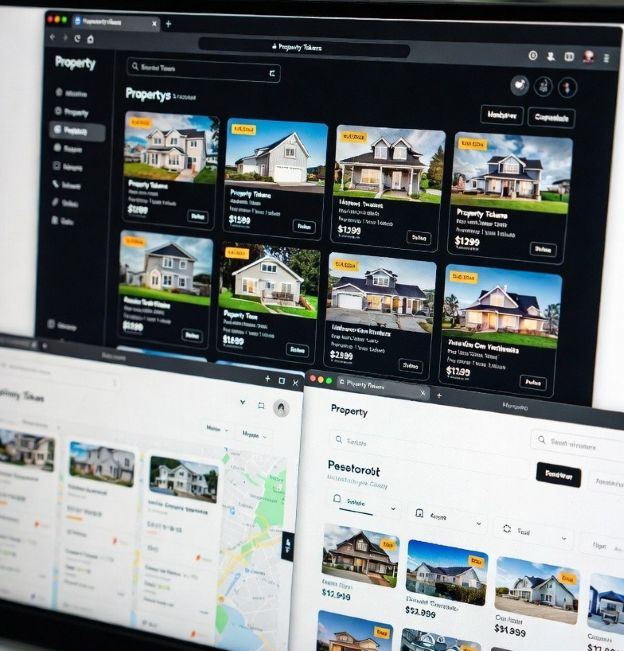
 Real estate is the most common type of asset in the world. But it has a lot of advantages and disadvantages to consider before investing.

